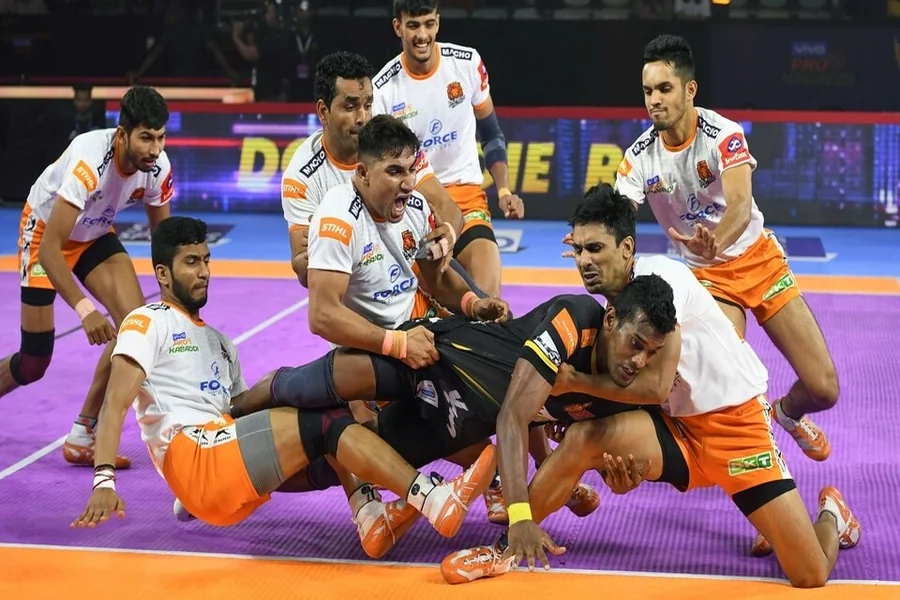
Kabaddi has always rewarded quick reactions, but tournament structure increasingly affects how teams use those reactions. Shorter competitions, tighter schedules, knockout rounds, tie-break mechanisms, and limited recovery periods encourage teams to attack earlier and take more risks. Instead of building form over a long season, players may need to reach peak intensity within a few matches.
Viewers may encounter the adventure beyond wonderland live game while moving between sports coverage and other forms of online entertainment, but on the mat, format changes affect real tactical choices. When every result carries more weight, teams have less time to recover from a poor start. This creates matches in which raiders attack sooner, coaches rotate players more aggressively, and defensive mistakes become harder to absorb.
Short Tournaments Increase the Value of Immediate Form
In a long league, a team can lose several matches and still recover. Coaches have time to adjust combinations, test players, and correct tactical weaknesses.
Short tournaments offer less protection. One poor match may damage qualification chances, while two defeats can end a campaign.
This changes selection. Coaches are more likely to use players who are already in form rather than wait for others to improve during the competition. Raiders may receive more responsibility from the opening match, while defenders have less time to build coordination through live competition.
The result is a faster tactical cycle. Teams must identify problems after one match rather than after several weeks.
Knockout Matches Push Teams Toward Higher Risk
Elimination rounds change the value of caution.
During a league stage, an empty raid can be useful because avoiding a defensive point may help control the score. In a knockout match, especially when trailing late, the same empty raid may waste an opportunity that cannot be recovered.
Raiders therefore face more pressure to create points. They may enter deeper, attack stronger defenders, or attempt multi-point raids when a safer approach would normally be preferred.
Defenders also change behavior. A team that needs a stop may initiate earlier rather than waiting for the raider to make a mistake.
These decisions make the match less predictable because teams move away from low-risk patterns.
Tie-Break Rules Compress Pressure Into Few Possessions
Tie-break systems have a major effect on match psychology. When the result depends on a small number of raids, normal averages become less useful.
A player who has struggled for most of the match may still decide the contest with one successful raid. A defender with a strong tackle record can lose the tie through one mistimed attempt.
This creates variance.
In a full match, superior teams have more opportunities to express their advantage. Over a short tie-break sequence, random events and individual execution carry more weight.
Coaches must therefore prepare players for specific high-pressure situations. They need raiders who can score without requiring several attempts to find rhythm and defenders who can maintain discipline when one failure may decide the result.
Compressed Schedules Reward Squad Depth
New tournament formats often place matches close together. Teams may have limited recovery time between fixtures, which affects both physical output and tactical planning.
Raiders perform repeated accelerations, changes of direction, and contact actions. Defenders absorb collisions and must recover quickly after tackles. When matches are separated by short intervals, fatigue becomes a selection factor.
Coaches may rotate players who would otherwise start every match. This creates more lineup variation and makes opponents harder to predict.
A team may use one raiding combination in the opening round and another two days later. Defensive roles can also change if a key corner or cover needs rest.
Depth therefore becomes part of competitive advantage.
More Rotation Creates More Tactical Uncertainty
Squad rotation affects more than fitness. It changes relationships on the mat.
Defensive coordination depends on timing between players. When lineups change, support distances and tackle sequences may change as well.
For opponents, this can make preparation harder. Video analysis of the previous match may have less value if several players are replaced.
Raiders also face unfamiliar defenders whose habits have not appeared as often in recent footage. The same applies to defenders facing a substitute raider with fewer recorded possessions.
This lack of information increases uncertainty and creates more room for surprise.
Faster Formats Reward Aggressive Raiders
When match time or tournament margin is reduced, attacking efficiency becomes more valuable.
A raider who needs several empty raids before finding a scoring opportunity can become difficult to use. Teams may prefer players who attack early and force the defense to make decisions.
Aggressive raiding can also create all-out opportunities faster. Removing two defenders in one possession changes the structure of the next defensive phase and may create another scoring chance.
However, aggression also raises failure risk.
This is one reason shorter formats become less predictable. Teams gain more from successful attacks but lose more when those attacks fail.
Defensive Systems Have Less Time to Settle
Defense often requires communication and repetition. Players learn how teammates react to specific raiders and how far they can move before support disappears.
In a short tournament, there may be little time to build this understanding through competition.
Teams that enter with established defensive combinations have an advantage, but injuries or rotation can disrupt them quickly.
Opponents may also change tactics between rounds. A defense that controlled one type of raider may face a different movement profile in the next match.
The limited preparation window forces defenders to adapt during the game itself.
Bonus and Do-or-Die Situations Gain More Importance
Rules that create specific scoring opportunities become more influential when the format is compressed.
A bonus point can have greater value when teams have fewer possessions to separate themselves. Do-or-die raids become important because they force one side to take action instead of allowing repeated low-risk possessions.
These mechanisms increase tempo.
Raiders cannot always wait for the defense to create an opening. Defenders cannot always remain passive because the raid may carry a forced scoring condition.
As a result, more possessions become decisive rather than exploratory.
Coaches Have Less Time to Correct Mistakes
Long competitions allow teams to learn gradually. A weakness identified in one match can be addressed through several training sessions.
Short formats compress this process. Coaches may have only one recovery session before the next opponent.
This increases the importance of video review, clear communication, and simple tactical corrections. Complex changes are difficult to implement under time pressure.
Teams may therefore rely on a smaller set of principles that players already understand. This can make execution faster, but it can also create predictability if opponents identify those patterns.
The challenge is to simplify preparation without becoming easy to read.
Underdogs Benefit From Higher Variance
Shorter and more decisive formats often increase the chance of an upset.
A stronger team usually benefits from a large sample of possessions because quality has more time to produce an advantage. A weaker team benefits when the contest is compressed into fewer key moments.
One successful multi-point raid, one defensive error, or one tie-break decision can become decisive.
This does not make results random. Better teams still have advantages in skill, depth, and preparation. It simply means those advantages have less time to correct temporary failure.
That creates more competitive uncertainty.
Tournament Design Changes Player Profiles
Formats also influence which types of players become valuable.
Long competitions may reward consistency and recovery. Short competitions may place more value on immediate impact, versatility, and the ability to perform under pressure.
All-rounders can become important because they allow teams to change tactics without using several substitutions. Raiders who can contribute defensively also provide value when squads are rotated.
Coaches may prefer players who can perform several functions rather than specialists who need one specific game situation.
Tournament design therefore affects recruitment and development as well as match tactics.
Faster Kabaddi Comes From Higher Consequences
New tournament formats make kabaddi faster because they reduce the time available for correction. Teams cannot always wait for the ideal raid, slowly test defensive patterns, or recover from several poor results.
They must make decisions earlier.
At the same time, these formats make outcomes less predictable because fewer possessions can carry more weight. Rotation, fatigue, knockout pressure, tie-breaks, and forced scoring situations increase the effect of individual actions.
The underlying skills of kabaddi remain the same, but the tournament structure changes how those skills are used. When the calendar is compressed and each match carries more consequence, speed becomes a tactical necessity and uncertainty becomes part of the competitive design.
