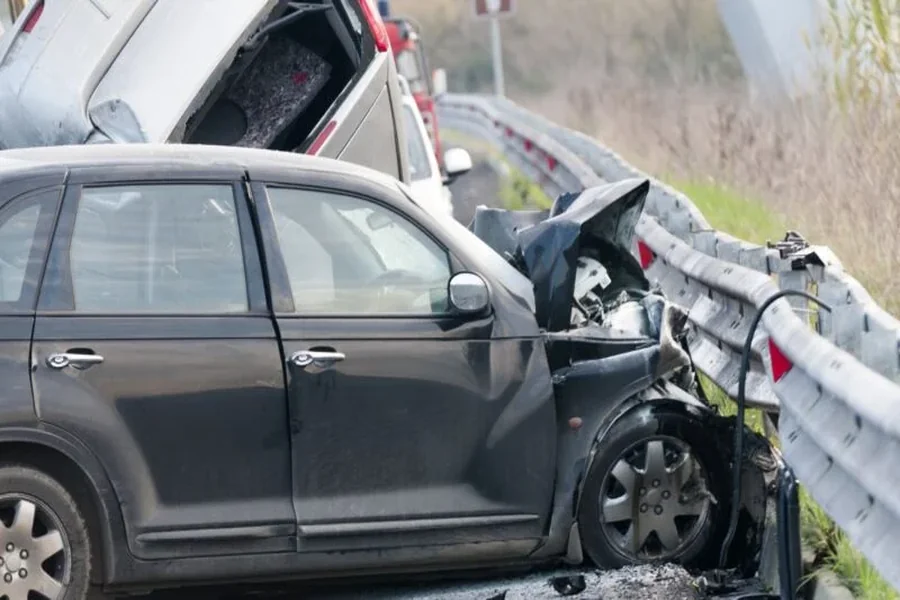
An automobile accident can turn your day around in a matter of moments. One minute you’re driving through Washington, DC and the next instant you’re dealing with injuries, car damage, missed work and insurance calls. Many believe that all accident claims go down the same road. It does not. Some disputes are resolved swiftly. Some take months. Here are a few critical elements that will determine the worth of your claim, and knowing them will help you avoid costly mistakes. Let’s explore what factors most influence a Washington, DC vehicle accident claim.
In most accident cases the injury itself is the most important component. Smaller payments are for minor bruises. Serious injuries tend to generate bigger claims since they cost more. Medical bills pile up quickly. Physical therapy, follow-up appointments and medicines may last for months. Some injuries impact daily living long after the crash. Ongoing care may be needed for a spinal cord damage, severe burn, or traumatic brain injury. These cases tend to include bigger financial losses and more pain and suffering. The more medical evidence, the bigger the claim.
Medical Treatment is the Foundation
The trouble is, insurance companies pay close attention to treatment records. If you wait weeks to consult a doctor, they may claim that your injuries were not severe. They may even claim that the accident did not cause them. Quickly obtaining medical attention ties injuries directly to the crash. Retain copies of:
- Health records
- Receipts and invoices
- Cost of prescriptions
- Therapy sessions
- Treatment protocols
Every document helps tell the tale of what happened and how it changed your life.
Who was to blame?
Fault is a big factor in Washington, DC accident claims. Washington, D.C. has a strict contributory negligence rule. This regulation can catch individuals out. If the wounded individual is determined to be even slightly at fault for the accident, it makes getting compensation that much more difficult. That’s why evidence is crucial. Police investigations, eye-witness accounts, photographs, footage from traffic cameras and professional analysis can all help determine fault. Even a basic junction incident might turn difficult due to disagreements amongst drivers over what transpired.
Evidence Can Make or Break a Case
Think of evidence as puzzle pieces. The more pieces you have the clearer the picture is. Strong evidence could be:
- Photos from the accident scene
- Photos of damaged vehicles
- Contact information for witnesses
- Police records
- medical records of patients
- CCTV footage
Many people’s initial concern is to get their vehicle repaired. I can understand that. But the immediate preservation of evidence after the disaster typically turns out to be one of the most valuable steps they do. Small details can mean more than you think.
Also, lost income matters.
Not Just Medical Bills. A Car Accident Many sufferers lose work days to recover. Some lose weeks of pay. Others have long term constraints that impair future potential to earn. These losses may be included in a claim for injury. Pay stubs, tax records, employer statements, and job history might help illustrate the financial effect of the injury. The loss of income can be as traumatic as the injury itself for some.
Insurance Coverage Drives Result
Even if the culpability is obvious, what compensation may be obtained is affected by insurance coverage. The at-fault driver’s policy restrictions can impact your recovery options. There may also be extra coverage under different policies depending on the specifics of the case. This region gets difficult fast. Insurance companies know policy language backwards and forwards. Most accident victims don’t. This is one of the reasons why so many people seek legal advice after a major crash.
Matters of Pain and Suffering
Not every loss is on a bill. Pain, mental discomfort, anxiety and loss of quality of life can all impact the value of a claim. Picture a person who used to bike about DC but can no longer do so because of permanent injuries sustained in an accident. The financial costs are substantial, the human losses are real. These are tougher to put a figure on, but are a crucial part of many injury claims.
The Effect of Catastrophic Injuries
Some accidents result in life-altering injuries. Treatment for burns, spinal cord damage, severe fractures and lasting impairments frequently takes years. Families may need home adaptations, long-term rehabilitative care and medical support. Catastrophic injury cases may involve a careful analysis of future expenses and long-term care demands. This is where seasoned legal help may be a game-changer.
Why Legal Help Can Matter
Insurance firms process claims on a daily basis. Most people don’t. An attorney can collect evidence, negotiate with insurance, assess damages and protect a victim’s rights throughout the process. If you want some direction after a major crash, dealing with a DC Personal Injury Lawyer may help you find compensation you might otherwise miss. If you are injured in any type of motor vehicle accident, Price Benowitz Accident Injury Lawyers, LLP can help injured victims throughout Washington, DC. Their staff handles claims for vehicle, truck, motorbike, bicycle, bus and pedestrian accidents. They also help those with serious injuries like burns and spinal cord trauma.
Concluding Thoughts
Every vehicle accident claim is unique. But some things always matter most. Medical treatment, culpability, proof, lost wages, insurance coverage, long term effects and severity of injuries all create a unique conclusion. The claim is more than paper labor. It’s a chronicle of how an accident altered someone’s health, finances and daily life. Knowing these can assist accident victims make a wise decision and safeguard their right to fair compensation.
Common Questions
1. What is the deadline to submit a vehicle accident claim in Washington, DC?
The date for submitting is dependent on the facts. “Delaying can be detrimental to your rights. An attorney should be contacted as quickly as possible after the crash to preserve key deadlines and evidence.
2. What If The Other Driver Claims The Accident Was Partly My Fault?
Washington, D.C. applies contributory negligence law. Any amount of fault can interfere with healing. Often strong proof is crucial if the fault is in dispute.
3. If I feel fine after the accident do I need to consult a doctor?
Yes. Some injuries don’t show up for hours or days. Early medical treatment is good for your claim and your health. It provides a good record of treatment.
4. Can I get paid for work I didn’t perform?
Yes. Lost wages and diminished earning ability might be included in a claim if the accident prohibits you from working or impacts your future revenue.
5. When to call a vehicle accident attorney?
After a serious accident, it’s a good idea to speak to a lawyer as soon as you can. Early advice can also assist preserve evidence, resolve insurance concerns and safeguard your legal rights.
