Efficient communication is not merely a preference but a necessity. Yet, many organizations grapple with the pervasive issue of information silos—disconnected data, fragmented communication channels, and isolated teams that hinder project progress. This often leads to frustrating consequences like rework, missed deadlines, decreased team morale, and, ultimately, project failure.
The evolution of project collaboration needs has transformed significantly. We’ve moved from traditional, siloed approaches to a strong demand for integrated, real-time collaboration. The widespread adoption of remote and hybrid work models has only amplified this need for seamless communication, making it a critical factor for success. This is where modern project management tools step in, acting as central hubs designed to break down these silos and foster comprehensive communication.
Core Components of a Seamless Communication Ecosystem in Modern PM Tools
Modern project management tools are designed with an array of features that collectively build a robust communication ecosystem. At the core of any effective project ecosystem is a strong communication backbone.
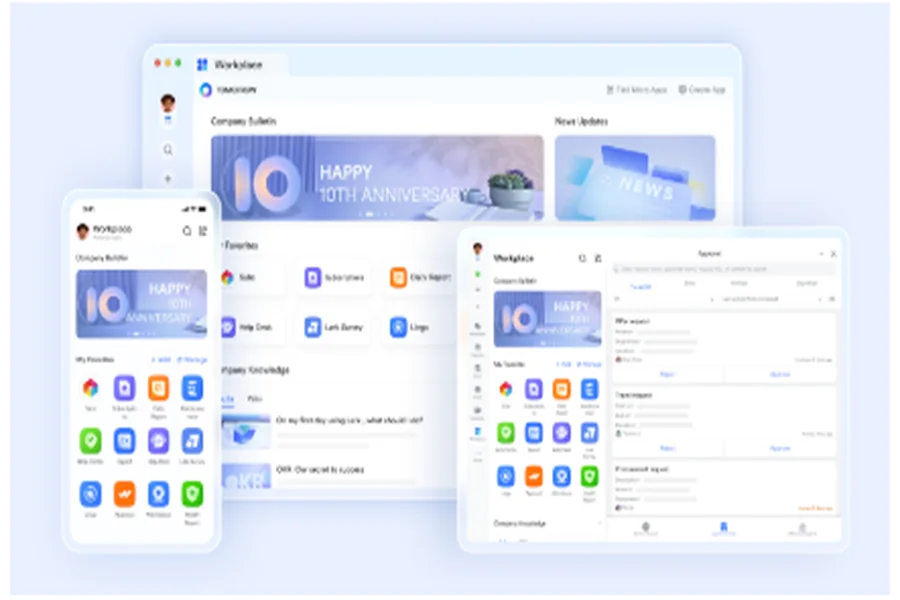
- Instant Messaging & Team Chat: These tools offer features like group conversations, direct messages, and topic-based channels. With rich text formatting and emoji reactions, they facilitate real-time discussions, enable quick decision-making, and significantly reduce the burden of email overload.
- Integrated Video Conferencing: For remote and distributed teams, integrated video conferencing is invaluable. These features often include high-definition video calls, screen sharing, recording capabilities, and even virtual whiteboards. They provide opportunities for face-to-face interactions, effective brainstorming, and efficient problem-solving, regardless of geographical location.
Beyond immediate communication, modern tools excel at capturing and organizing information.
- Collaborative Document Editors: These editors offer real-time co-editing, robust version control, and capabilities for commenting and annotations. They ensure a single source of truth for project documents, reduce rework, and facilitate efficient knowledge transfer within the team.
- Structured Data Management: Many modern PM tools incorporate features akin to databases or sophisticated spreadsheets. These often include customizable fields, various view options (like Kanban boards, Gantt charts, or simple tables), and powerful data visualization tools. This allows for organized project data, easy tracking of tasks, resources, and progress.
- Centralized Knowledge Management: These features enable the creation of easy-to-search articles, categorization of information, and granular access permissions. They serve as invaluable repositories for storing project artifacts, lessons learned, and best practices, ensuring that valuable team knowledge is preserved and easily accessible for future reference.
The true power of modern PM tools lies in their ability to integrate communication with core project management functionalities, streamlining workflows and accelerating decision-making.
- Task & Project Management with Enhanced Communication:
- Task Assignment & Tracking: These tools offer clear task ownership, precise deadlines, dependency management, and real-time progress updates. This fosters accountability, provides transparency into project progress, and helps in the early identification of potential bottlenecks.
- Project Scheduling & Planning: Visual tools like Gantt charts and Kanban boards provide a clear overview of project timelines, allowing for drag-and-drop task management and efficient resource allocation. This leads to proactive planning and optimized resource utilization.
- Automated Workflows & Approvals: Accelerating Processes
- Customizable Approval Flows: Modern tools enable the creation of digital forms, multi-stage approvals, and automated notifications. This results in faster decision-making, reduced manual errors, and enhanced compliance.
- Integrations with other Modules: Seamless handoffs between communication, documentation, and approval stages prevent delays and ensure smooth operational flow.
- Intelligent Scheduling & Calendar Management:
- Shared Calendars & Event Management: Features such as team calendars, meeting invitations, automated reminders, and time zone synchronization improve meeting coordination, enable efficient scheduling, and significantly reduce scheduling conflicts.
Beyond Features: The Ecosystem Advantage of Modern PM Tools
The comprehensive nature of modern project management tools extends beyond individual features, creating a cohesive ecosystem. These advantages make PM tools effective productivity tools that boost your team’s performance.
- The Power of Integration:
- Third-Party App Connectivity: Many tools offer robust APIs and pre-built integrations with popular business applications like CRM, ERP, and development tools. This unifies disparate systems, creating a holistic and efficient work environment.
- Open Platforms: Some tools provide open platforms, allowing organizations to develop custom solutions and extensions to meet unique operational needs.
- Data-Driven Insights and Reporting: Modern tools provide customizable dashboards, real-time analytics, and performance metrics. These features enable informed decision-making, help identify trends, and allow for the optimization of project strategies.
- AI and Automation: The integration of AI and automation features is increasingly common. This includes smart notifications, automated task creation, predictive analytics, and intelligent search capabilities. These advancements reduce manual effort, facilitate proactive problem-solving, and significantly increase overall efficiency.
Why Choose Lark for Seamless Project Management?
Lark stands out as an all-in-one collaboration platform designed to dismantle information silos and foster a truly seamless communication ecosystem. By unifying essential tools like chat, calendar, document creation, cloud storage, video conferencing, and project management into a single, interconnected platform, Lark empowers teams to enhance efficiency and collaboration.
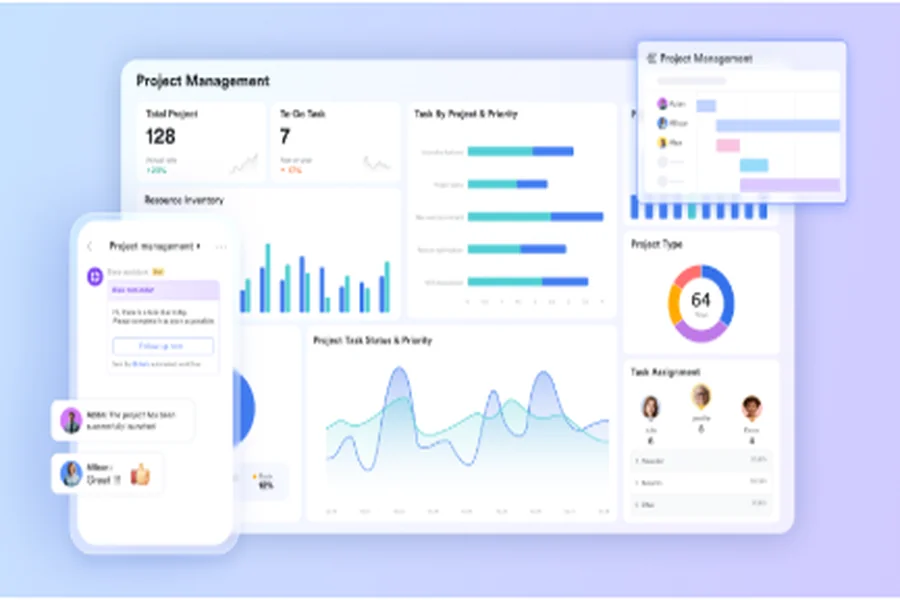
Here’s how Lark’s core functionalities contribute to this seamless ecosystem:
- Lark Messenger: More than just a chat application, Lark Messenger facilitates a fluid transition from conversation to action. Users can swiftly transform discussions into actionable to-dos or meetings directly within the chat interface, promoting a continuous workflow. Its support for one-on-one and group messaging, coupled with easy file sharing, ensures that communication never becomes a bottleneck.
- Lark Base: Lark Base offers a flexible database that seamlessly integrates with other Lark features to streamline project management and data organization. Its customizable tables, views, and automated workflows enable teams to manage information more effectively without switching between separate applications, thus creating a unified data environment.
- Lark Docs and Lark Wiki: Lark Docs provides robust document editing with real-time collaborative capabilities and version control, allowing teams to co-create and refine content within the platform. Complementing this, Lark Wiki serves as a centralized knowledge base, where companies can organize and share essential information, ensuring that team members have consistent access to collective knowledge without external searches.
- Lark Meetings: Lark Meetings delivers high-quality video conferencing, seamlessly combined with the Lark ecosystem. Features like screen sharing and AI-powered AI Meeting Notes streaming allow remote teams to conduct productive meetings and presentations without the need for separate conferencing tools, maintaining a continuous flow of communication and collaboration.
- Lark Approval: The Lark Approval module is combined seamlessly with workflows, accelerating decision-making processes. By providing customizable approval templates and automated workflows, it ensures that approvals are managed efficiently within the Lark environment, preventing delays and maintaining project momentum.
- Lark Calendar: Lark Calendar provides a unified scheduling experience, eliminating the need for disparate calendar applications. Its seamless integration allows teams to effortlessly schedule meetings and events, share calendars, and receive timely reminders, ensuring that everyone is aligned on schedules and commitments.
- Lark Tasks: Lark Tasks offers a comprehensive solution for tracking and managing project tasks. It allows users to create, assign, and set deadlines for tasks directly within the Lark platform, providing a centralized view of project progress and fostering a cohesive approach to task management without external task trackers.
Final Thought
Modern project management tools are indispensable in today’s complex work environments. By effectively eliminating information silos, these tools foster open communication and significantly improve overall project success rates. They create a transparent and efficient project ecosystem where every team member is aligned and informed.
Embracing these tools is a strategic imperative for organizations aiming to thrive in today’s dynamic business landscape. The future of project collaboration is undoubtedly connected, transparent, and efficient—a future where teams are empowered by seamless communication, enabling greater innovation and collaborative success.
